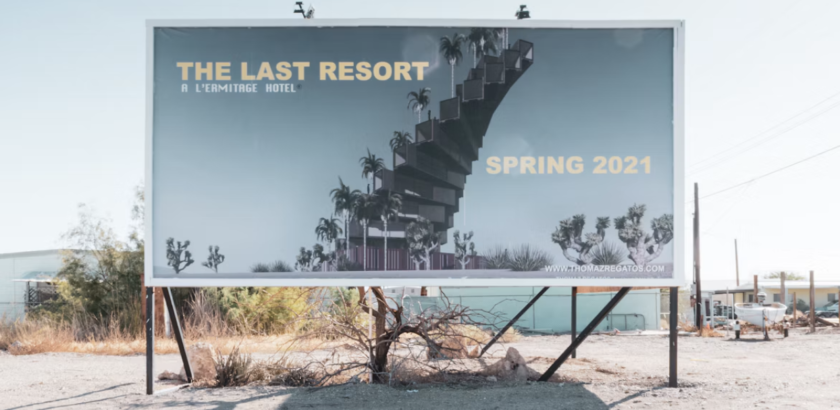
Outdoor billboards have only a few seconds to catch someone’s attention and communicate a useful message. Strong visual hierarchy, readable type, and durable materials all affect whether that message lands or disappears into the background. For designers and business owners, the challenge is to create something bold enough for roadside viewing while keeping the brand recognizable. The following principles help turn a large vinyl surface into clear, memorable outdoor advertising.
Start with one clear message
A billboard works best when viewers can understand it at a glance. Choose one main idea, such as a store opening, event date, or short brand promise. Trying to fit several offers onto the same design creates visual competition and weakens the message.
Aim for a headline of roughly seven words or fewer. A driver or passenger may have only three to six seconds to read it, so familiar language usually performs better than clever but complicated phrasing. Keep contact details simple as well. A short website address or recognizable location is easier to remember than a full street address, multiple phone numbers, and several social handles.
Choose vinyl for the installation
Material specifications shape how a finished billboard looks and how well it handles extended outdoor exposure. For long-term campaigns, 13-ounce custom billboard vinyl offers variable sizing from a 6-by-12-foot minimum, single-sided printing, and a choice of 360 DPI or 150 DPI output. Pole pockets and hem finishing can also prepare the print for its intended installation method.
Match the print resolution to the viewing distance. A billboard viewed from far away generally doesn’t require the same fine detail as signage seen at sidewalk level. Before ordering, confirm the final dimensions, artwork scale and finishing requirements with the installer. That conversation can prevent incorrect pocket placement or missing allowances around the design.
Design for distance and motion
Large dimensions don’t automatically make small details readable. Use thick letterforms, generous spacing and a clear distinction between the headline and supporting information. Thin scripts, condensed fonts and long lines of capital letters tend to lose clarity at a distance.
Strong color contrast helps text remain distinguishable from its background. Dark blue lettering on black may look sophisticated on a laptop but become difficult to read outdoors. Test the design as a small thumbnail or step several feet away from your screen. If the headline, brand name and action aren’t immediately clear, simplify the composition before sending the file to print.
Prepare artwork that prints cleanly
Build the design according to the printer’s file specifications instead of enlarging a small web graphic at the last minute. Logos and typography should use vector formats when possible because vectors scale without becoming pixelated. Any photographs need enough resolution for the chosen output setting and final dimensions.
Check color settings, image links, font handling, and bleed before export. Rich gradients and subtle shadow effects may appear differently in print, so request a proof when color accuracy matters. Leave critical text and logos inside the designated safe area. Vinyl finishing can use space around the edges, and placing important content too close to a hem or pole pocket risks an awkward final layout.
Check the site before production
A strong design still needs to suit its physical setting. Note the billboard’s height, orientation, typical viewing angle and surrounding colors. Green-heavy artwork may blend into nearby trees, while pale designs can lose impact against a bright sky. Lighting also matters because a design that looks vivid at midday may have limited visibility after sunset if the site isn’t illuminated.
Review local outdoor advertising requirements before production. Rules can cover placement, size, lighting, and proximity to certain roads. The property owner or installer may handle approvals, but the advertiser should confirm who is responsible before printing a large-format piece that may require changes.
Measure what the billboard delivers
Connect the billboard to an outcome you can track. A short campaign URL, unique promotional code or dedicated phone extension can show how many people responded. If the goal is local awareness, compare branded search activity, direct website visits or foot traffic during the display period with a similar period before installation.
Keep measurement realistic. Someone may notice the billboard several times before searching for the company later, so direct responses won’t capture every impression. Record the display dates, location and creative version to make future comparisons useful. When it’s time for the next campaign, you’ll have specific evidence about which headline, color treatment and call to action earned attention.
The final preflight should happen at billboard scale, even if the proof is viewed on a smaller screen. Confirm the headline first, then the logo, action, and finishing marks. If those elements remain clear in that order, the vinyl is ready to do its job outdoors.
Image credit Unsplash